
Spoken Words
Made Visible
Professional Lipspeakers Coming Together to Make Communication Accessible.
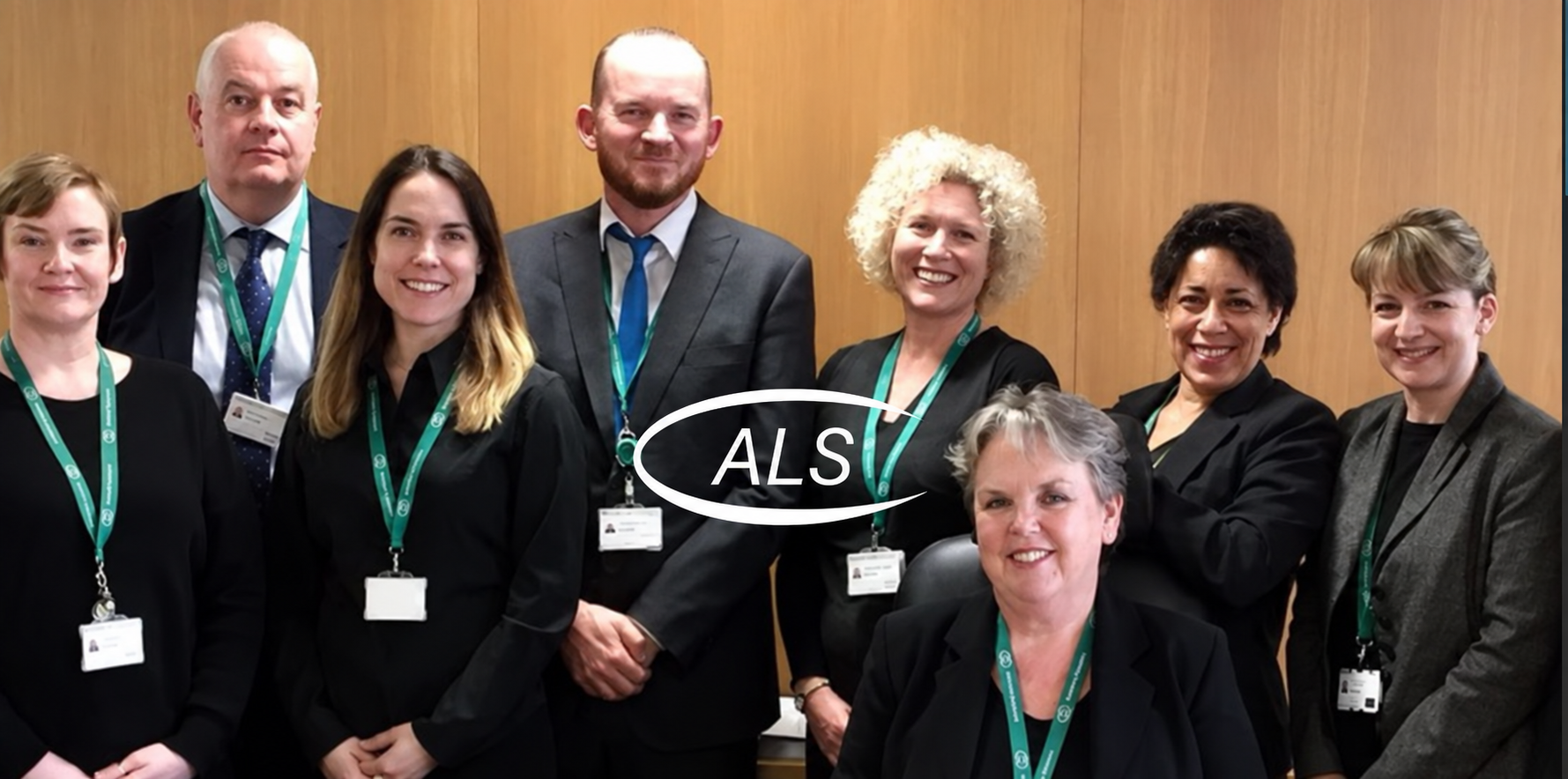
The Association of Lipspeakers brings together professional lipspeakers committed to making spoken communication accessible to people who lipread.
Welcome to ALS
Professional. Experienced. Human.
The Association of Lipspeakers is a professional association representing lipspeakers and promoting high standards of lipspeaking practice.
ALS supports the continued development of lipspeaking as a professional communication service while helping individuals, families, employers and organisations understand how a professional lipspeaker can make spoken communication more accessible.
Our members come together to share professional knowledge, develop their skills and help raise awareness of lipspeaking throughout the UK.
Professional Lipspeakers
Shared Standards
Accessible Communication
What is a Lipspeaker?
Spoken Words Made Visible
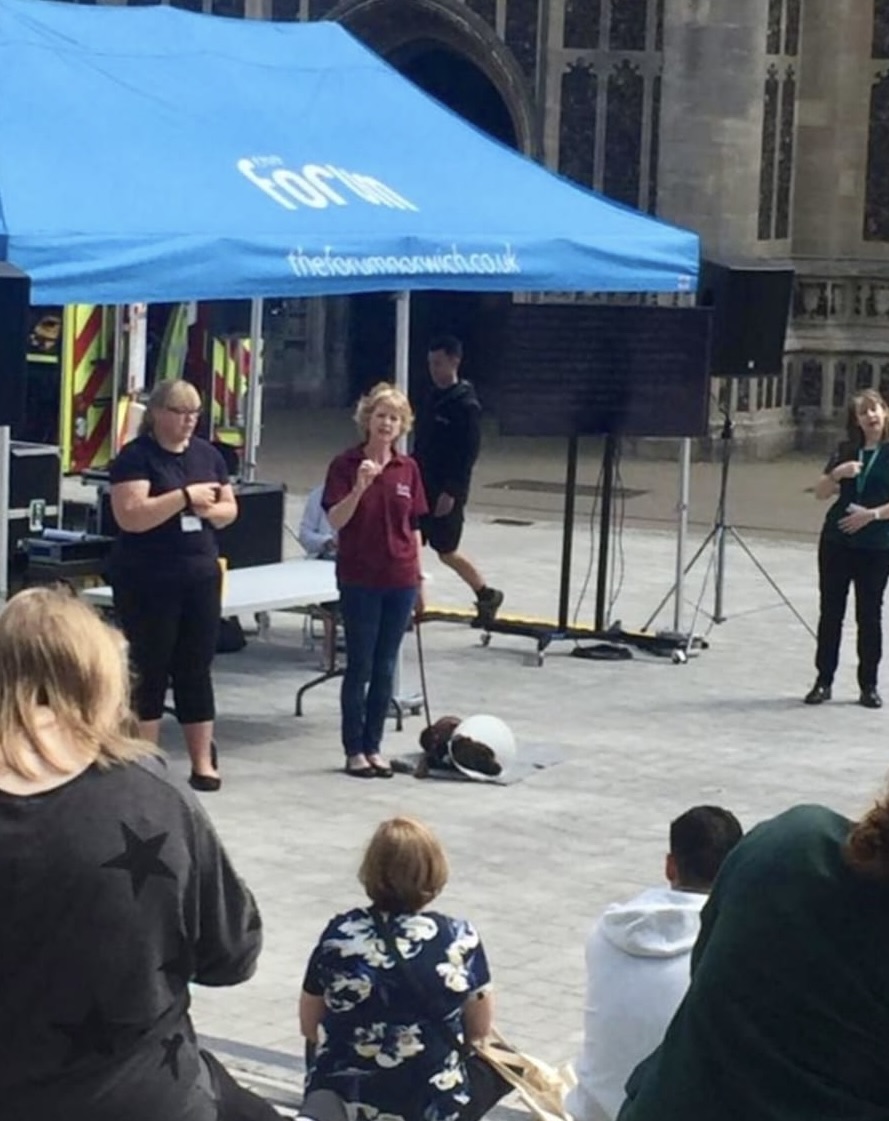
A lipspeaker is a professionally trained hearing person who has learned how to make spoken language exceptionally clear and easy to lipread.
- 1
Listen
The lipspeaker listens carefully to the person speaking.
- 2
Reproduce
They silently and accurately reproduce the spoken message using clear lip patterns.
- 3
Make Communication Visible
The person who lipreads can follow the conversation visually.
“The speaker talks. The lipspeaker makes their words visible. The lipreader stays part of the conversation.”
Professional lipspeakers
- Position themselves so they can be clearly seen by the lipreader
- Accurately reproduce the speaker's message
- May use appropriate facial expression, gesture and other visual clues
- Adapt to the communication needs and preferences of the individual
Find a Lipspeaker
Find a Professional Lipspeaker
Search our directory of qualified lipspeakers near you.
- In-person
- Online
- Healthcare
- Legal
- Education
- Workplace
- Events
Why lipspeaking matters
Communication Creates Independence
For someone who relies on lipreading, following a rapidly moving conversation can be exhausting. A professional lipspeaker provides a clear visual representation of the spoken message, helping the lipreader stay involved, understand and contribute.
Participate
Take part in meetings and conversations.
Understand
Receive spoken information clearly and accurately.
Contribute
Respond directly and independently.
Connect
Remain part of the conversation.
Accessibility isn't simply hearing the words.It's being part of the conversation.
The History of Lipspeaking
The History of Lipspeaking
1948
Darlington, England. Bill Snowden and Muriel Shepherd develop lipspeaking to help local hard-of-hearing club members.
1960s
Formal training develops, with influential courses at Burton Manor and Gwen Cairns involved in teaching.
1970s
Training expands, preparing lipspeakers for a wider range of professional settings.
1980s
Lipspeaking grows within communication-support training and professional development.
1990s
National qualifications and professional standards lead to recognition of lipspeaking as a professional service.
1992
The Formation of ALS — Glenda Bateman establishes the Association of Lipspeakers, bringing professionals together to promote excellence in lipspeaking.
Professional Lipspeakers Coming Together
Stronger Together
ALS brings together people committed to the development and future of professional lipspeaking. Professional Lipspeakers Coming Together to Make Communication Accessible.
Explore membership without chargeProfessional Networking
Knowledge Sharing
Raising Awareness
Supporting Future Lipspeakers
Social
Latest from X and Bluesky alslips.bsky.social
@ALSLips
20 August 2026
Here’s hoping this expose helps halt this unacceptable infringement of Deaf people’s right to make informed medical choices through their chosen communication professionals.
View post on X(opens in new tab)@ALSLips
18 August 2026
Learn to lipread opportunity! Lipread more. Miss less. Your eyes can hear more than you think. Because every word matters. #SpokenWordsMadeVisible
View post on X(opens in new tab)@ALSLips
18 August 2026
Everyday is a school day — hair cells in the cochlea convert sound vibrations into electrical signals the brain can process. Fascinating!
View post on X(opens in new tab)Follow @ALSLips and @alslips.bsky.social
See all posts
Need a Lipspeaker for your organisation or event?
We can help you find the right professional for the right situation.